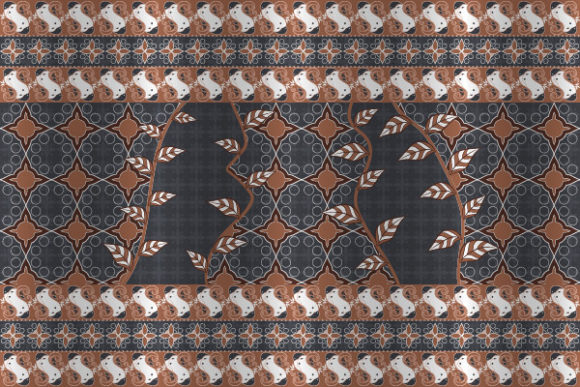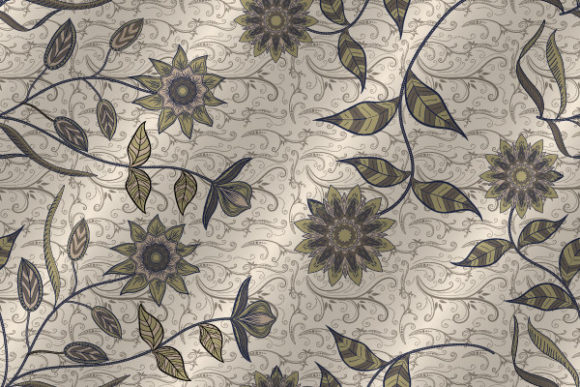
Traditional Batik Motif: A Timeless Blend of Floral, Bird, and Vintage Colors
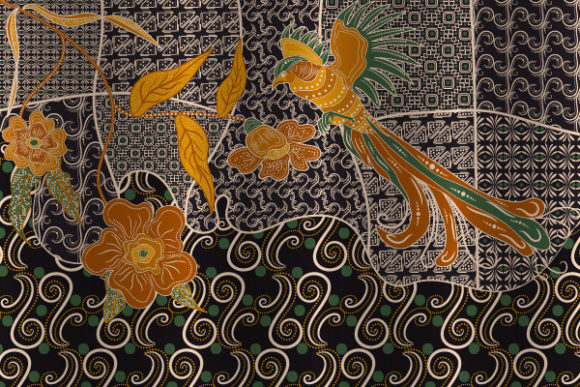
Traditional batik motifs have long been a symbol of cultural heritage and artistic expression, particularly in Indonesia. These intricate patterns are not only visually stunning but also carry deep historical and symbolic meanings. When combined with floral and bird motifs and painted in vintage colors, they become even more appealing for use in fabrics, invitation papers, and other design templates. This article explores the beauty, significance, and practical applications of traditional batik designs, especially those created using Adobe Illustrator.
What Are Traditional Batik Motifs?
Traditional batik is a textile art form that involves applying wax to fabric before dyeing it. The wax resists the dye, creating unique patterns and designs. These motifs often reflect the culture, beliefs, and environment of the region where they originate. Common elements include flowers, birds, and geometric shapes, each carrying its own meaning.
Floral motifs, such as hibiscus or jasmine, symbolize beauty and growth. Bird motifs, like the parrot or peacock, represent freedom, grace, and spiritual connection. When these elements are combined with vintage color palettes—such as muted reds, soft blues, and earthy tones—they evoke a sense of nostalgia and timeless elegance.
The Role of Adobe Illustrator in Modern Batik Design
While traditional batik is hand-drawn, modern designers often use Adobe Illustrator to create digital versions of these patterns. This software allows for precision, scalability, and versatility in design. With files available in formats like AI, EPS, JPEG, and PNG, users can easily integrate these motifs into various projects, from clothing to stationery.
Adobe Illustrator enables artists to replicate the intricate details of traditional batik while also experimenting with new styles. This fusion of old and new ensures that traditional motifs remain relevant in contemporary design practices.
Why Traditional Batik Motifs Matter
Traditional batik motifs are more than just decorative elements; they are a reflection of history, identity, and creativity. In many cultures, these designs are used in ceremonies, festivals, and daily life, making them an essential part of social and cultural expression.
For example, in Java, certain batik patterns are reserved for specific occasions, such as weddings or religious events. This cultural significance adds depth to the aesthetic value of the designs, making them more than just visual elements.
Practical Applications of Batik Motifs
Traditional batik motifs are widely used in various industries, including fashion, interior design, and graphic design. Their versatility makes them suitable for a range of applications:
- Fabrics: Batik patterns are popular in clothing, home textiles, and accessories. The vintage color palettes add a classic touch to modern outfits.
- Invitation Papers: For weddings, birthdays, or corporate events, batik-inspired designs on invitations convey elegance and tradition.
- Templates: Graphic designers often use batik motifs in brochures, posters, and digital media to add a unique and cultural flair.
These motifs can be adapted to fit different styles, whether minimalist, maximalist, or somewhere in between. Their adaptability ensures that they remain relevant across different creative fields.
How to Incorporate Batik Motifs in Your Projects
If you're looking to use traditional batik motifs in your work, there are several ways to do so effectively:
- Use Digital Files: With AI, EPS, JPEG, and PNG files available, you can easily import these designs into your projects. Ensure that the resolution is high enough for the intended use.
- Combine with Other Elements: Pair batik motifs with modern typography, abstract shapes, or contrasting colors to create a balanced and cohesive design.
- Experiment with Color: While vintage colors are a staple, don't be afraid to play with different hues to match your project's theme.
By understanding the structure and symbolism of batik motifs, you can make informed decisions about how to incorporate them into your work.
Common Misconceptions About Batik Designs
Despite their popularity, there are some common misconceptions about batik motifs. One of the most frequent is that they are only suitable for traditional or ethnic settings. However, batik designs can be modernized and integrated into contemporary aesthetics without losing their cultural essence.
Another misconception is that batik is always complex and difficult to reproduce. Thanks to digital tools like Adobe Illustrator, these designs can now be created and modified with ease, making them accessible to a wider audience.
The Future of Traditional Batik in Modern Design
As technology continues to evolve, the future of traditional batik looks promising. Digital platforms allow for greater accessibility, enabling more people to explore and use these motifs in innovative ways. Additionally, the growing interest in sustainable and culturally rich design has brought renewed attention to batik as a meaningful and ethical choice.
Designers, artists, and businesses are increasingly recognizing the value of incorporating traditional elements into modern projects. This trend not only preserves cultural heritage but also fosters creativity and diversity in design.
Conclusion
Traditional batik motifs, especially those featuring floral and bird elements in vintage colors, offer a beautiful blend of artistry and cultural significance. Whether you're a designer, artist, or simply someone interested in traditional crafts, these motifs provide endless inspiration and practical applications.
By leveraging digital tools like Adobe Illustrator, you can bring these timeless designs into the modern world, ensuring their continued relevance and appreciation. As you explore the possibilities of batik, remember that each pattern tells a story—one that connects us to our past while guiding us toward the future.