Moroccan Pattern: A Timeless Blend of Art and Culture
Moroccan pattern is a captivating design style that has transcended centuries, blending artistry, culture, and functionality. Known for its intricate geometric shapes, vibrant colors, and ornate details, Moroccan pattern has become a symbol of elegance and sophistication. From the bustling souks of Marrakech to modern interior spaces around the world, this design continues to inspire and captivate. In this article, we'll explore what makes Moroccan pattern unique, its historical roots, and how it can be applied in various contexts today.
What Is Moroccan Pattern?
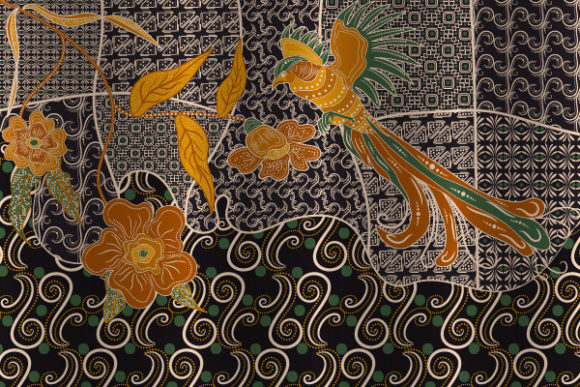
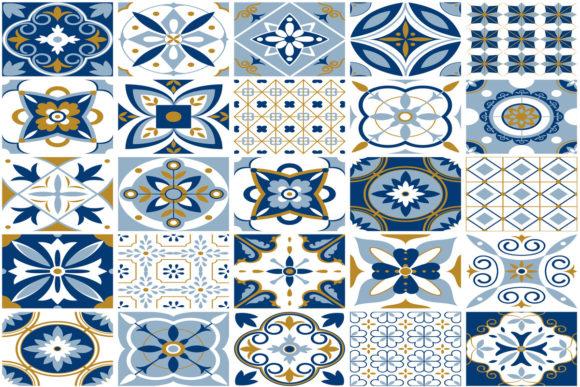
Moroccan pattern refers to a distinctive visual language rooted in the artistic traditions of Morocco and the broader Middle East. It often features geometric motifs, arabesque designs, and floral elements arranged in symmetrical or repeating patterns. These designs are commonly found in tile work, textiles, wooden carvings, and metalwork. The use of blue and white as a dominant color palette is particularly characteristic of Moroccan aesthetics, especially in decor tile texture print mosaic and oriental pattern applications.
The term "Moroccan pattern" is sometimes used interchangeably with Arabesque, a decorative style that combines flowing lines, floral motifs, and intricate geometric forms. However, Moroccan pattern specifically draws from the rich cultural heritage of North Africa, incorporating influences from Berber, Arab, and Andalusian traditions.
The Origins and Significance of Moroccan Pattern
The history of Moroccan pattern dates back to the 7th century when Islamic art began to flourish across North Africa. As Islam spread, so did its artistic expressions, which emphasized non-figurative representation due to religious restrictions on depicting human or animal forms. This led to the development of complex geometric patterns, arabesques, and calligraphy—elements that became central to Moroccan design.
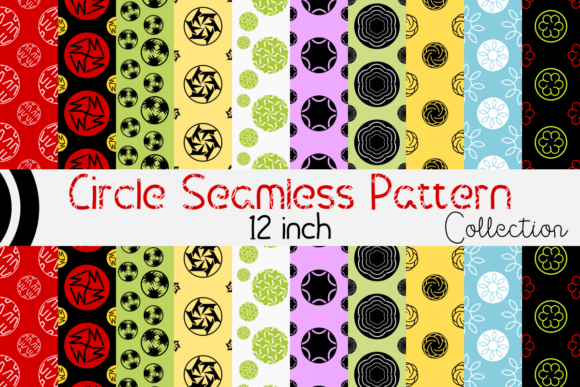
Over time, Moroccan artisans incorporated local materials and techniques, creating a unique visual identity. For example, traditional Arabic and Indian pottery tiling influenced the use of seamless patterns fabric and vector set designs. These patterns were not only decorative but also served practical purposes, such as enhancing the durability of surfaces or creating visual harmony in architecture.
Today, Moroccan pattern remains a powerful symbol of cultural identity and craftsmanship. Its enduring appeal lies in its ability to blend beauty with meaning, making it a popular choice for both historical restoration projects and contemporary design ventures.
Key Elements of Moroccan Pattern
To fully appreciate Moroccan pattern, it's essential to understand its defining characteristics. Here are some of the most notable elements:
- Geometric Shapes: Circles, triangles, squares, and polygons form the foundation of many Moroccan designs. These shapes are often arranged in intricate, repeating patterns that create a sense of balance and order.
- Arabesque Motifs: Flowing, interlacing lines and floral elements are common in Moroccan pattern. These motifs are inspired by nature and are designed to evoke a sense of movement and fluidity.
- Color Palette: While blue and white dominate, other colors like green, red, and gold are also used to add depth and contrast. The combination of these hues creates a visually striking effect that is both calming and vibrant.
- Tile Work: Moroccan tiles, known as zellige, are hand-cut and arranged in elaborate mosaics. This technique is widely used in decor tile texture print mosaic and is a hallmark of Moroccan architecture.
Applications of Moroccan Pattern in Modern Life
Moroccan pattern is not confined to historical settings; it has found its way into numerous aspects of modern life. Here are some examples of how this design style is being used today:
- Interior Design: Moroccan pattern is a popular choice for wall interior decor, flooring, and furniture. Whether it's through seamless patterns fabric or vector set prints, this aesthetic adds a touch of exotic charm to any space.
- Textile Industry: From cloth to home furnishings, Moroccan-inspired patterns are widely used in the textile industry. These designs are often adapted to suit different styles, making them versatile for both traditional and modern settings.
- Graphic Design: With the rise of digital tools, Moroccan pattern has become a favorite among graphic designers. Vector sets and high-resolution JPEG files allow for easy customization and application in various media.
- Product Design: From ceramics to fashion, Moroccan pattern continues to influence product design. For instance, traditional Arabic and Indian pottery tiling has inspired modern ceramic products that combine heritage with innovation.
How to Use Moroccan Pattern in Your Projects
If you're interested in incorporating Moroccan pattern into your work, there are several ways to do so:
- Use Vector Files: A one vector EPS10 file provides high-quality, scalable graphics that can be easily edited in software like Adobe Illustrator. This is ideal for creating custom designs or modifying existing patterns.
- Work with High-Resolution Images: A one JPEG 72ppi as a preview is useful for visualizing how a pattern will look in a specific context. However, for detailed work, consider using higher resolution images.
- Customize and Edit: If you want to separate elements or make adjustments, a vector editor like Adobe Illustrator is recommended. This allows for precise control over individual components of the design.
Whether you're a designer, an artist, or simply someone who appreciates beautiful patterns, Moroccan pattern offers endless possibilities for creativity and expression.
Common Misconceptions About Moroccan Pattern
Despite its popularity, there are several misconceptions about Moroccan pattern that are worth addressing:
- Misconception: Moroccan pattern is only for traditional spaces. While it has strong historical roots, Moroccan pattern can be adapted to modern environments without losing its essence.
- Misconception: All Moroccan patterns are the same. In reality, there are many variations depending on region, period, and artisan style. Each design carries its own unique story and character.
- Misconception: Moroccan pattern is difficult to use in digital formats. With the right tools and resources, such as vector set files, Moroccan pattern can be easily integrated into digital projects.
Conclusion
Moroccan pattern is more than just a design style—it's a reflection of a rich cultural heritage and a testament to the power of artistic expression. From its origins in ancient North Africa to its presence in modern interiors and digital media, this pattern continues to inspire and connect people across time and space. Whether you're looking to decorate a room, create a new product, or simply learn more about this fascinating design tradition, Moroccan pattern offers something for everyone. By understanding its history, elements, and applications, you can unlock the full potential of this timeless art form.