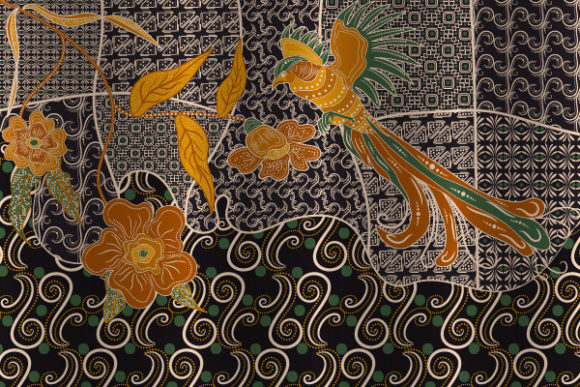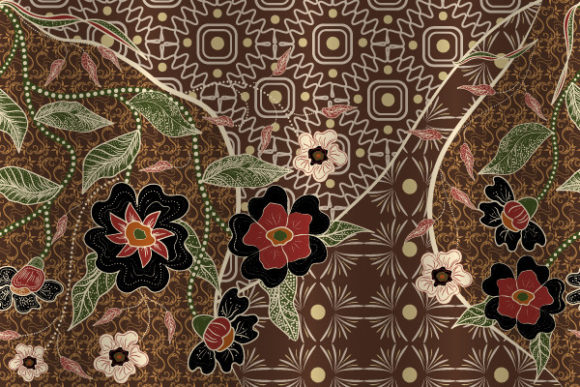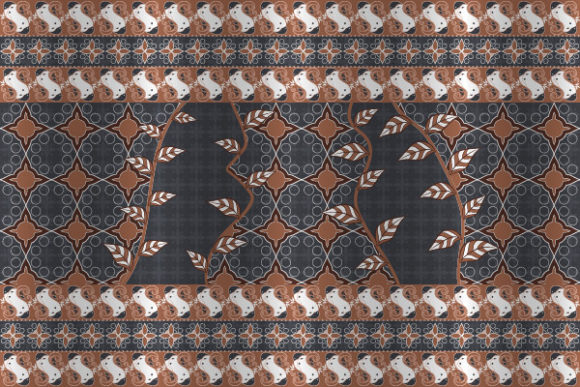
Traditional Batik for Fabric and Textile
Traditional batik for fabric and textile is a time-honored art form that has evolved into a versatile design element suitable for a wide range of applications. From textile patterns to invitation papers and digital templates, the intricate motifs and vibrant colors of traditional batik offer both aesthetic appeal and cultural significance. This unique style not only enhances visual storytelling but also provides a rich foundation for creative projects across various industries.
Understanding Traditional Batik in the Context of Design Workflows
Traditional batik involves the use of wax-resist dyeing techniques to create detailed patterns on fabric. While this method has historical roots in regions like Indonesia, its influence extends far beyond cultural heritage. Today, designers and creators can access digital versions of these patterns, allowing them to integrate traditional batik into modern workflows seamlessly.
The versatility of traditional batik makes it an excellent choice for professionals working in graphic design, textile manufacturing, event planning, and digital content creation. Whether you're designing a custom fabric pattern or creating a visually striking invitation, traditional batik offers a timeless look that can elevate any project.
How Traditional Batik Fits Into Different Stages of a Project
Traditional batik for fabric and textile can be utilized at multiple stages of a project, from initial concept development to final execution. Before starting a design, incorporating traditional batik elements can inspire creativity and provide a clear direction for the overall aesthetic. During the production phase, using pre-designed batik patterns can save time and ensure consistency in the final output.
After a project is completed, traditional batik can serve as a reference point for future work. Its distinct motifs and color schemes can help maintain brand identity or guide the development of new designs. For businesses looking to establish a signature style, traditional batik offers a reliable and recognizable visual language.
Integration with Digital Tools and File Formats
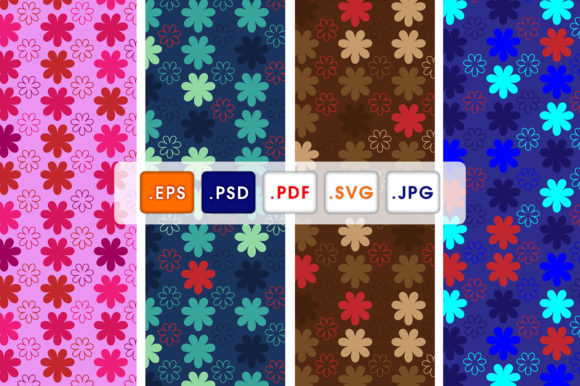
Modern technology has made it easier than ever to incorporate traditional batik into digital workflows. Designers can now access high-quality batik patterns in popular file formats such as AI, EPS, JPEG, and PNG. These formats allow for easy editing, scaling, and application across different platforms and mediums.
Adobe Illustrator, in particular, is a powerful tool for working with traditional batik designs. Its vector-based capabilities enable precise manipulation of patterns, making it ideal for creating custom textile designs, packaging concepts, and marketing materials. By leveraging AI files, designers can maintain the integrity of traditional batik while adapting it to contemporary needs.
For those who prefer raster-based formats, JPEG and PNG files provide flexibility for use in web design, social media, and other digital platforms. These formats are especially useful when integrating batik patterns into templates, presentations, or online content where scalability and clarity are essential.
Practical Implementation Tips for Using Traditional Batik
To effectively implement traditional batik in your workflow, consider the following tips:
- Start with high-resolution files: Ensure that the batik patterns you use are of sufficient quality to maintain clarity when scaled or printed.
- Understand color theory: Traditional batik often features bold and contrasting colors. Familiarize yourself with how these combinations interact to achieve the desired visual impact.
- Customize for context: Adapt the patterns to suit the specific requirements of your project, whether it's a fabric design, invitation, or digital template.
- Test before finalizing: Always review the batik elements in different formats and sizes to ensure they meet your standards for usability and appearance.
By taking these steps, you can ensure that traditional batik not only complements your design but also enhances the overall quality and professionalism of your work.
Collaboration and Resource Management
When working with traditional batik, collaboration with other creatives, manufacturers, or clients can streamline the process. Sharing files in compatible formats ensures that everyone involved has access to the necessary assets without compromising quality or efficiency.
Organizing your batik resources effectively is also crucial. Maintaining a well-structured library of traditional batik patterns can save time and reduce the risk of errors during the design process. This approach supports long-term use and helps maintain consistency across multiple projects.
Quality Control and Consistency
Maintaining high standards of quality is essential when working with traditional batik. Whether you're printing fabric or using the patterns in digital media, ensuring that the colors and details remain true to the original design is key to achieving professional results.
Consistency is equally important, especially when using batik patterns across different platforms or projects. Establishing guidelines for color accuracy, resolution, and file management can help prevent discrepancies and ensure that your work meets the expected level of excellence.
Long-Term Use and Adaptability
Traditional batik is not just a one-time design choice; it can be a valuable asset for ongoing projects and future endeavors. As trends evolve, the adaptability of batik patterns allows them to remain relevant and useful over time.
For entrepreneurs and small business owners, incorporating traditional batik into product lines or branding strategies can create a unique selling point. Its cultural richness and visual appeal make it an attractive option for those looking to differentiate their offerings in a competitive market.
Conclusion: Embracing Tradition in Modern Design
Traditional batik for fabric and textile continues to play a significant role in modern design practices. Its blend of historical authenticity and contemporary applicability makes it a valuable resource for creators, businesses, and educators alike. By understanding how to integrate and utilize traditional batik effectively, professionals can enhance their work while honoring a rich artistic legacy.