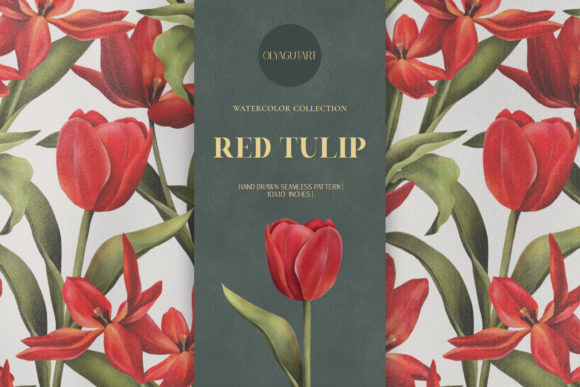
Red Tulip. Watercolor Floral Pattern
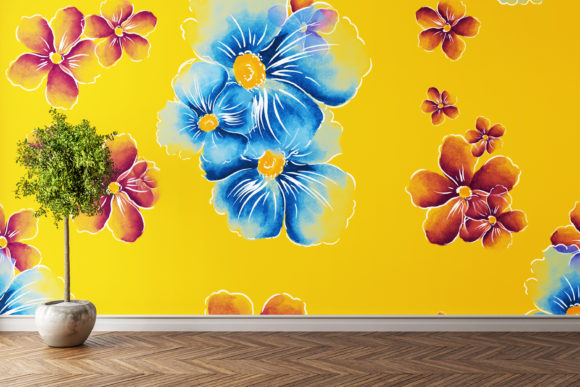
The Red Tulip. Watercolor Floral Pattern is a versatile and elegant design that blends the beauty of nature with the artistry of watercolor. This pattern set features a stunning red tulip motif, rendered in soft, flowing brushstrokes that evoke a sense of calm and sophistication. The design is ideal for a wide range of creative and commercial applications, offering a timeless aesthetic that can elevate any project.
Whether you're designing invitations, posters, or textile patterns, the Red Tulip. Watercolor Floral Pattern provides a visually appealing foundation that can be adapted to various styles and purposes. Its seamless layout ensures that it can be used without visible repetition, making it perfect for backgrounds, borders, and decorative elements.
Strategic Value of Red Tulip. Watercolor Floral Pattern
In today's competitive market, visual appeal plays a crucial role in capturing attention and conveying brand identity. The Red Tulip. Watercolor Floral Pattern offers a unique opportunity to create designs that stand out while maintaining a professional and cohesive look. By incorporating this pattern into your work, you can enhance the overall quality of your output and differentiate your offerings from others.
For entrepreneurs and small business owners, the strategic use of high-quality design elements like the Red Tulip. Watercolor Floral Pattern can significantly impact customer perception. A well-designed product or marketing material not only attracts attention but also communicates professionalism and care, which are essential for building trust and loyalty.
From a planning perspective, the Red Tulip. Watercolor Floral Pattern allows for thoughtful consideration of visual hierarchy and composition. When used intentionally, it can guide the viewer's eye, highlight key information, and create a more engaging experience. This makes it particularly useful for projects that require clear communication, such as educational materials, presentations, and promotional content.
When and How to Use Red Tulip. Watercolor Floral Pattern
The Red Tulip. Watercolor Floral Pattern is best utilized when there is a clear purpose and context. For example, if you're creating a wedding invitation, the pattern can add a touch of elegance and personalization that aligns with the theme of the event. Similarly, in a branding project, it can serve as a subtle yet impactful element that reinforces the brand's identity.
Before incorporating the Red Tulip. Watercolor Floral Pattern into your work, consider the following factors:
- Target Audience: Understand who will be viewing the design and what visual elements resonate with them.
- Brand Identity: Ensure the pattern aligns with the overall look and feel of your brand.
- Functionality: Determine how the pattern will be used and whether it enhances or detracts from the intended message.
- Technical Requirements: Verify that the file format and resolution meet your project's specifications.
By taking these considerations into account, you can make informed decisions about how and when to use the Red Tulip. Watercolor Floral Pattern, ensuring that it serves its intended purpose effectively.
Practical Applications and Examples
The Red Tulip. Watercolor Floral Pattern is suitable for a variety of practical applications, including but not limited to:
- Invitation Cards: Add a touch of sophistication to wedding, birthday, or event invitations.
- Decor and Posters: Use the pattern as a background for wall art, banners, or promotional posters.
- Scrapbooking: Enhance photo albums and memory pages with a natural and artistic touch.
- Textile Design: Incorporate the pattern into fabric prints for clothing, accessories, or home decor.
- Postcards and Party Supplies: Create eye-catching cards and decorations that reflect a cohesive theme.
For instance, a small business owner looking to launch a new line of handmade greeting cards could use the Red Tulip. Watercolor Floral Pattern to create a series of cards that feature a consistent and attractive design. This not only improves the visual appeal of the products but also helps in establishing a recognizable brand identity.
Planning Tips for Effective Use
To maximize the benefits of the Red Tulip. Watercolor Floral Pattern, it's important to plan your approach carefully. Start by defining the goals of your project and identifying how the pattern can contribute to those goals. For example, if your objective is to create a visually appealing website, the pattern can be used as a background element that complements the overall design.
Another effective strategy is to experiment with different color schemes and layouts to find the most suitable combination. The Red Tulip. Watercolor Floral Pattern is available in both colored and transparent versions, allowing for greater flexibility in how it is used. This can be particularly useful when working on projects that require a specific color palette or when trying to achieve a particular mood or atmosphere.
Additionally, consider the scale and placement of the pattern within your design. A large, bold pattern may be appropriate for a poster or banner, while a smaller, more delicate version might be better suited for a card or label. By adjusting the size and position of the pattern, you can ensure that it enhances the overall composition without overwhelming the viewer.
Risks of Using Red Tulip. Watercolor Floral Pattern Without Clarity
While the Red Tulip. Watercolor Floral Pattern is a powerful tool, it's important to recognize the potential risks of using it without clear goals or context. One common mistake is applying the pattern randomly without considering its impact on the overall design. This can lead to cluttered, confusing, or unprofessional-looking results that fail to communicate the intended message.
Another risk is overusing the pattern, which can diminish its effectiveness and reduce the visual appeal of the design. It's essential to strike a balance between using the pattern to enhance the design and avoiding excessive repetition or dominance. In some cases, a minimalist approach may be more effective than a heavily patterned one.
Furthermore, failing to consider the technical requirements of the pattern can result in poor quality or compatibility issues. For example, using a low-resolution image for a large print project may lead to pixelation and a loss of detail. Always verify that the files meet the necessary specifications for your intended use.
Intentional Use for Long-Term Results
To achieve long-term success with the Red Tulip. Watercolor Floral Pattern, it's important to use it intentionally and thoughtfully. This means aligning its use with your broader goals and strategies, rather than treating it as a quick fix or a trendy addition.
One way to do this is to integrate the pattern into a larger design system or brand guideline. This ensures consistency across all materials and reinforces the overall identity of your work. It also helps in creating a cohesive and professional appearance that resonates with your audience.
Additionally, consider how the pattern can support your long-term objectives. For example, if you're building a portfolio of design work, using the Red Tulip. Watercolor Floral Pattern consistently can help establish a signature style that sets you apart from others. This can be particularly beneficial for freelancers and creatives looking to build a strong personal brand.
In summary, the Red Tulip. Watercolor Floral Pattern is a valuable asset for anyone involved in design, marketing, or creative projects. By understanding its strategic value, planning its use effectively, and applying it intentionally, you can leverage this pattern to achieve better results and create more impactful designs. Whether you're an entrepreneur, educator, or hobbyist, the Red Tulip. Watercolor Floral Pattern offers a versatile and elegant solution that can enhance your work in meaningful ways.