Plaid Digital Papers: A Strategic Tool for Creative and Business Applications
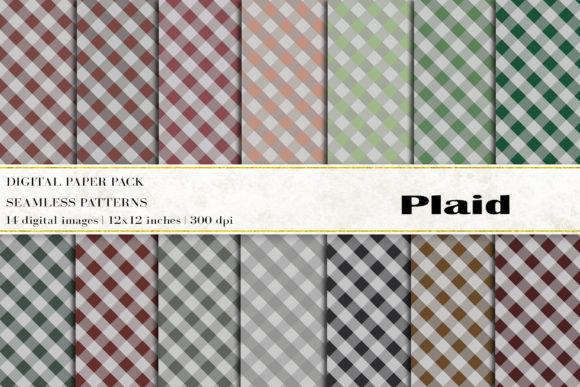
Plaid Digital Papers is a versatile collection of 14 high-quality digital patterns designed for a wide range of creative and professional uses. Each pattern is available in 12x12 inches, JPG format, and 300 dpi, ensuring clarity and quality for both digital and print applications. These plaid designs are more than just decorative elements; they serve as powerful tools for enhancing visual communication, branding, and project execution across multiple industries.
Understanding the Strategic Value of Plaid Digital Papers
For professionals and creatives, the strategic value of Plaid Digital Papers lies in its ability to elevate visual storytelling and design consistency. Whether you're working on a marketing campaign, a personal project, or a business-related task, these digital papers provide a cohesive aesthetic that can reinforce brand identity and improve user engagement. The plaid pattern itself carries a sense of tradition and structure, making it ideal for projects that require a balance between creativity and professionalism.
When used thoughtfully, Plaid Digital Papers can support long-term goals by maintaining visual continuity across different platforms and materials. This is particularly important in branding, where consistent visuals help build recognition and trust with your audience. For example, a small business owner might use these papers to create a unified look for business cards, packaging, and social media graphics, ensuring that all touchpoints reflect the same brand image.
Practical Applications of Plaid Digital Papers
The versatility of Plaid Digital Papers makes them suitable for a variety of use cases. Here are some practical examples of how they can be applied:
- Scrapbooking and Cardmaking: These papers add texture and depth to handmade cards and scrapbook pages, allowing for a personalized and nostalgic feel.
- Planner Stickers and Stationery: Incorporate plaid patterns into planners, journals, and notebooks to create a visually appealing and organized layout.
- Wedding and Event Planning: Use Plaid Digital Papers for invitations, place cards, and décor to add a classic and elegant touch to special events.
- Business Branding: Integrate plaid designs into logos, website backgrounds, and promotional materials to establish a unique and memorable brand presence.
- DIY Projects: From wrapping paper to furniture decor, these papers offer endless possibilities for creative expression and customization.
Each application requires a different approach, but the common thread is the need for intentional design choices. Before using Plaid Digital Papers, consider the purpose of your project and how the pattern will contribute to the overall message or aesthetic.
Planning and Decision-Making with Plaid Digital Papers
Strategic use of Plaid Digital Papers begins with planning. Ask yourself: What is the goal of this project? Who is the target audience? How will the plaid pattern enhance the visual appeal or functionality of the final product?
For instance, if you're designing a logo for a boutique clothing line, a plaid pattern could symbolize craftsmanship and heritage, aligning with the brand's values. However, if the brand is modern and minimalist, a plaid design may not be the best fit. In such cases, it’s important to evaluate whether the pattern supports the desired tone and message.
Another consideration is the context in which the design will be used. A plaid pattern that works well on a website may not translate effectively to a printed brochure. Understanding the technical requirements—such as resolution, color mode, and file format—is essential to ensure the final output meets your expectations.
Maximizing Creativity and Productivity
Plaid Digital Papers can also be a valuable asset for improving productivity and creativity. By having a set of pre-designed patterns, you save time that would otherwise be spent creating custom designs from scratch. This allows you to focus on other aspects of your project, such as content development, messaging, and user experience.
Moreover, these papers can inspire new ideas and approaches. For example, a graphic designer working on a book cover might experiment with different plaid patterns to find the one that best complements the title and theme. This process encourages innovation and helps avoid repetitive or generic design choices.
When working on collaborative projects, Plaid Digital Papers can serve as a shared resource that ensures consistency across team members. This is especially useful in marketing campaigns or branding initiatives where multiple designers are involved. Having a standardized set of assets reduces confusion and streamlines the workflow.
Risks of Using Plaid Digital Papers Without Clear Goals
While Plaid Digital Papers offer many benefits, their effectiveness depends on how they are used. One potential risk is using them without a clear purpose or strategy. Randomly applying a plaid pattern to a project may result in a cluttered or unprofessional appearance, undermining the intended message or aesthetic.
Another risk is overuse. If too many plaid elements are included in a design, it can become overwhelming and detract from the main content. It’s important to strike a balance between using the pattern as a focal point and allowing other elements to shine.
Additionally, failing to consider the target audience can lead to misalignment with their preferences. For example, a younger demographic may not respond as positively to a traditional plaid pattern as an older audience. Conducting research or testing different designs can help mitigate this risk.
Intentional Use for Long-Term Results
To achieve long-term results, it’s essential to use Plaid Digital Papers intentionally. This means aligning their use with your broader goals, whether that’s building brand equity, improving customer engagement, or streamlining your creative process.
One way to do this is by integrating the patterns into a larger design system. For example, if you’re developing a brand identity, you can define specific guidelines for when and how to use plaid elements. This ensures that the pattern remains relevant and effective over time.
Another approach is to track the performance of your designs. If you’re using Plaid Digital Papers in marketing materials, monitor metrics such as engagement rates, conversion rates, or customer feedback. This data can help you refine your approach and make informed decisions about future projects.
Conclusion: Leveraging Plaid Digital Papers for Strategic Success
Plaid Digital Papers are more than just a design element—they are a strategic tool that can enhance creativity, improve efficiency, and support long-term goals. By understanding their value, planning their use, and applying them thoughtfully, you can unlock new opportunities for growth and innovation in your projects.