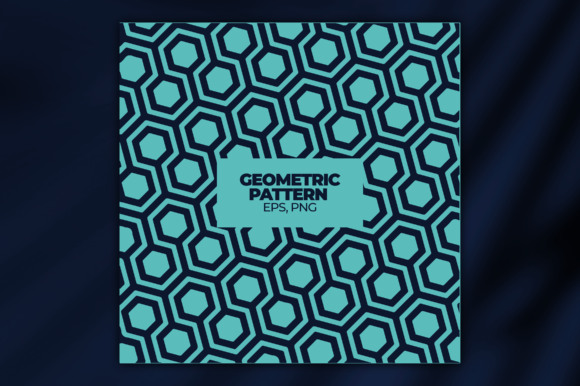
Hexagonal Geometric Pattern: A Versatile Design Solution for Modern Creatives
The hexagonal geometric pattern is a design concept that leverages the unique properties of the hexagon—a six-sided polygon—to create visually engaging and structurally efficient layouts. This design approach has gained popularity in graphic design, packaging, and digital media due to its balance of aesthetics and functionality. Unlike other geometric patterns, the hexagon offers a natural symmetry that can be easily repeated and adapted to various formats without losing coherence.
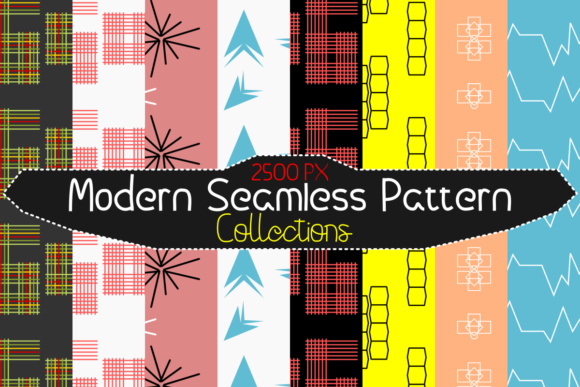
What sets the hexagonal geometric pattern apart from other shapes is its ability to tessellate seamlessly. This means that hexagons can fit together perfectly without leaving gaps or overlapping, making them ideal for creating continuous designs. This characteristic is particularly useful in applications such as tiling, background textures, and modular illustrations. The pattern’s efficiency in space utilization also makes it a practical choice for designers looking to maximize visual impact while maintaining simplicity.
Hexagonal Geometric Pattern vs. Other Geometric Styles
When comparing the hexagonal geometric pattern with other common geometric styles—such as square, triangular, or circular patterns—the differences become clear. Square patterns often create a more rigid and structured appearance, which may not always align with modern design trends. Triangular patterns, while dynamic, can sometimes appear chaotic if not carefully balanced. Circular patterns, on the other hand, offer a sense of continuity but may lack the sharpness and precision that hexagons provide.
In contrast, the hexagonal geometric pattern strikes a balance between structure and fluidity. It provides a sense of order without being overly rigid, making it suitable for both minimalist and intricate designs. This versatility allows it to be used across different industries, from fashion and interior design to digital marketing and product packaging.
Strengths and Tradeoffs of Hexagonal Geometric Pattern
One of the key strengths of the hexagonal geometric pattern is its adaptability. Because each hexagon can be independently scaled and rotated, the design can be customized to fit a wide range of projects. This flexibility is especially valuable for designers who need to maintain consistency across multiple platforms, such as social media posts, website banners, and printed materials.
Another advantage is the pattern’s ability to convey a sense of modernity and sophistication. Its clean lines and repeating structure make it an excellent choice for branding and advertising, where clarity and visual appeal are essential. Additionally, the hexagonal shape is often associated with nature, such as honeycombs and snowflakes, which can add an organic feel to otherwise abstract designs.
However, there are tradeoffs to consider. The hexagonal geometric pattern may not be the best choice for all design scenarios. For instance, in cases where a more organic or freeform look is desired, the structured nature of hexagons could feel restrictive. Similarly, if the goal is to create a bold, eye-catching design, the subtlety of a hexagonal pattern might not deliver the same impact as a more vibrant or complex style.
Best-Fit Situations for Hexagonal Geometric Pattern
The hexagonal geometric pattern is particularly well-suited for projects that require a balance of simplicity and complexity. It works well in environments where visual hierarchy is important, such as in infographics, editorial layouts, and user interface (UI) design. The pattern’s modular nature also makes it ideal for creating scalable designs that can be adjusted for different screen sizes and resolutions.
For businesses looking to enhance their brand identity, the hexagonal geometric pattern offers a way to create a cohesive visual language. It can be used as a background element, a border, or a central motif, depending on the desired effect. In packaging design, for example, hexagonal patterns can add a touch of elegance while also serving a functional purpose, such as reinforcing structural integrity in certain materials.
Limitations and Decision Factors
While the hexagonal geometric pattern has many advantages, it is not a one-size-fits-all solution. One limitation is that it may require more careful planning to ensure that the design remains visually appealing at different scales. If not properly executed, the repetition of hexagons can lead to a monotonous or overwhelming effect, especially in large areas.
Designers should also consider the target audience when deciding whether to use a hexagonal geometric pattern. For example, in markets that prioritize traditional or cultural aesthetics, a more conventional pattern may be more appropriate. Additionally, the technical requirements of the project—such as file format compatibility and resolution—can influence the decision to use this type of design.
Practical Applications of Hexagonal Geometric Pattern
The hexagonal geometric pattern is widely used in various creative fields. In graphic design, it can serve as a background for posters, brochures, and digital ads. Its scalability makes it a popular choice for logo design, where a clean and recognizable shape is essential. In the realm of social media, hexagonal patterns can be used to create eye-catching story templates, profile pictures, and cover images that stand out in a crowded feed.
In packaging design, the hexagonal pattern can be incorporated into labels, boxes, and containers to add a unique visual element. It can also be used to create interactive elements, such as QR codes or augmented reality triggers, by embedding them within the pattern. This makes it a versatile tool for brands looking to combine aesthetics with functionality.
Choosing the Right Option for Your Project
When evaluating design options, it’s important to consider the specific needs of the project. If the goal is to create a bold, attention-grabbing design, other geometric styles may be more effective. However, for projects that require a refined, structured approach, the hexagonal geometric pattern can be an excellent choice.
Readers should also take into account the availability of resources and tools. For example, if a designer has access to vector editing software, they can easily modify and customize hexagonal patterns to suit their needs. On the other hand, if the project requires a quick turnaround, a pre-designed hexagonal pattern may be more practical.
Ultimately, the decision to use a hexagonal geometric pattern depends on a combination of factors, including the desired aesthetic, the technical requirements, and the intended audience. By understanding the strengths and limitations of this design approach, creators can make informed choices that align with their goals and vision.